Source corrosion resistant sugar mill chains for Industry, Food, and Packaging
Find 30 verified options for corrosion resistant sugar mill chains designed for industrial machinery, food processing, and packaging applications. Buyers can compare specifications, materials, and customization support from suppliers in China.
Key considerations
Products List




Comprehensive Sourcing Guide
Strategic Sourcing Guide for Corrosion Resistant Sugar Mill Chains
Understanding Technical Specifications and Material Integrity
When sourcing corrosion-resistant sugar mill chains, buyers must first establish a rigorous understanding of the technical specifications that define performance in high-stress, chemically aggressive environments. The core of the product lies in its material composition and structural design. Available market data indicates that these chains are frequently manufactured from Stainless Steel or Alloy materials, selected specifically for their ability to withstand the unique challenges of sugar processing. The material selection is not merely a preference but a functional necessity to prevent degradation from moisture and acidic byproducts common in sugar mills.
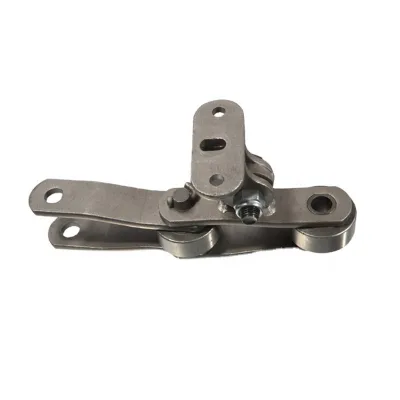
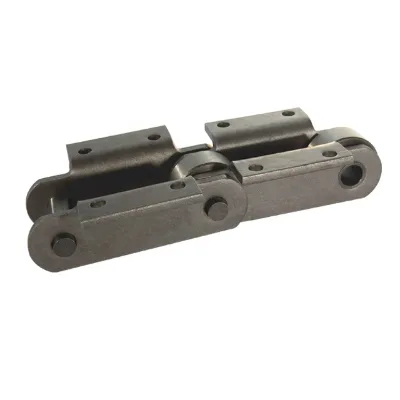
The structural configuration of these chains varies, with Tooth Chain, Roller Chain, and Bush Chain designs being prevalent. For sugar mill applications, the Short Pitch Chain and specific models such as SM101.6F1-AS2 or P101.6F138/P152F78/P152F88 are often cited. These models are engineered to handle significant loads while maintaining precision. A critical technical attribute is the chain size, with specific observations noting a dimension of 1/2"*11/128". This precise sizing ensures compatibility with existing sprocket systems in industrial machinery.
Furthermore, the manufacturing process plays a pivotal role in the final integrity of the chain. The production lifecycle typically involves Forging, Pressing, Machining, and Heat Treatment. The heat treatment process, specifically High Temperature Hardening, is essential for achieving the necessary tensile strength and durability. The average tensile strength for these industrial chains can range significantly, observed values spanning from 17.5kN to 1550kN. Buyers must verify that the specific chain model selected falls within the required strength parameters for their specific sugar mill machinery, as the load requirements can vary between different stages of the milling process.
Compliance, Certification, and Standard Verification
In the B2B procurement of industrial components, compliance with international standards and certifications is a non-negotiable baseline for quality assurance. When evaluating potential suppliers for sugar mill chains, buyers should prioritize vendors who can demonstrate adherence to recognized global standards. The market data confirms that suppliers often align their products with ANSI, DIN, ISO, and BS standards. These standards provide a framework for dimensional accuracy, material properties, and performance testing.
Certification status is another critical verification point. Trusted suppliers in this sector frequently hold ISO90001 certification, which validates their quality management systems. Additionally, third-party verification from organizations like SGS is a strong indicator of product reliability. These certifications are not merely marketing badges; they represent a commitment to consistent manufacturing processes and traceability. Buyers should explicitly request certification documents to ensure that the supplier's quality control protocols meet the rigorous demands of the food and industrial machinery sectors.
The standard specifications for these chains can be either Standard or Customized. While many products adhere to Standard Specifications, the nature of sugar mill operations often necessitates custom modifications. The "Standard or Nonstandard" attribute indicates that buyers should be prepared to engage in a dialogue regarding custom requirements. Whether the product is a standard S102BF6K2 model or a customized solution, the supplier must be able to provide documentation proving that the manufacturing process adheres to the agreed-upon standards. This verification process helps mitigate the risk of receiving components that fail under the specific operational conditions of a sugar mill.
Cost Drivers and Pricing Dynamics
The pricing of corrosion-resistant sugar mill chains is influenced by a complex interplay of material costs, manufacturing complexity, and customization requirements. The observed price range in the market spans from $1 to $599 USD, reflecting the diversity of chain sizes, materials, and configurations available. However, buyers should be cautious when interpreting this range, as the lowest prices may correspond to smaller, less complex components, while the higher end likely reflects heavy-duty, fully customized industrial chains.
Material composition is a primary cost driver. Chains made from Stainless Steel or specialized Alloys will inherently cost more than those made from standard carbon steels due to the raw material expenses and the additional processing required to achieve corrosion resistance. The production process also significantly impacts cost. The combination of forging, pressing, machining, and heat treatment adds layers of complexity and labor to the manufacturing cycle. Chains requiring precise machining tolerances, such as those with tolerances ranging from 0.005mm to 0.1mm, will command a premium over those with looser tolerances.
Customization is another major factor influencing the final price. While the market offers standard models, many sugar mill operations require specific adaptations, such as unique attachment configurations (e.g., Two-Sided attachments) or specific surface treatments. The availability of OEM and ODM support suggests that custom orders are common, and these typically involve higher unit costs and potentially higher Minimum Order Quantities (MOQ). The observed MOQ range of 1 to 100 units indicates flexibility, but buyers should be aware that larger orders may yield better per-unit economics. Additionally, surface treatments like Oxygenation, Polishing, or Zinc Plating (Galvanization) add to the cost but are essential for extending the lifespan of the chain in corrosive environments.
Typical Applications and Operational Environments
Corrosion-resistant sugar mill chains are designed for a broad spectrum of industrial applications, with a primary focus on the sugar processing industry. However, their versatility extends to various other sectors where durability and resistance to harsh conditions are paramount. The documented applications include Industry Machinery, Agricultural Machinery, Mining Equipment, Marine environments, Food Machinery, and Packaging Machinery. In the context of sugar mills, these chains are integral to conveyer equipment, ensuring the smooth transport of raw materials and processed sugar products.
The operational environment for these chains is often demanding. They must withstand exposure to moisture, acids, and high temperatures. The "Function" attribute explicitly notes that these chains are designed for "Moisture and Acid Against" capabilities, making them suitable for the wet and chemically active conditions found in sugar processing plants. The color options, including Natural, Black, Blue, and Zinc Plating, often correlate with specific surface treatments that enhance corrosion resistance. For instance, Zinc Plating provides a galvanization layer that protects against rust, while Polishing can reduce surface roughness, minimizing areas where debris and corrosive agents can accumulate.
Beyond sugar mills, the robust nature of these chains makes them suitable for use in textile machinery, garment machinery, and electric cars. The "Usage" attribute, categorized as Industrial or Civilian, highlights their adaptability. However, for procurement purposes, the focus should remain on the industrial applications where failure could lead to significant downtime or safety hazards. The "Automation" attribute suggests that these chains are compatible with automated production lines, further emphasizing their role in modern, high-efficiency manufacturing environments.
Supplier Evaluation and Origin Considerations
Evaluating suppliers for sugar mill chains requires a careful assessment of their geographic origin, production capabilities, and after-sales support. The market data indicates that major production hubs are located in China, specifically in regions such as Hebei and Qingdao. These locations are known for their robust manufacturing infrastructure and expertise in metalworking. Buyers should verify the specific origin of the product, as "Hebei, China" and "Qingdao China" may represent different manufacturing clusters with varying capabilities.
Supplier evaluation should also focus on the customization support offered. The availability of OEM and ODM services is a strong indicator of a supplier's flexibility and technical competence. Buyers should inquire about the supplier's ability to handle custom requirements, such as specific blank tolerances (ranging from +/-0.3 to +/-2 mm) or custom dimensions (142 mm to 300 mm). The ability to provide "According to Customer Requirement" solutions is crucial for specialized applications.
After-sales service is another critical factor. The market data highlights a "24*7" service availability, which is a significant advantage for industrial buyers who cannot afford prolonged downtime. A supplier's commitment to providing comprehensive support, including warranty coverage (typically 1 Year), demonstrates confidence in their product quality. Buyers should also review the supplier's packaging standards, which often include Wooden Cases, Carton Cases, Gunny Bags, and Pallets, ensuring that the chains are protected during transit to prevent damage before installation.
Quality Control and Long-Term Procurement Strategy
Ensuring the long-term reliability of sugar mill chains requires a proactive approach to quality control and procurement planning. The manufacturing process includes rigorous steps such as Surface Treatment (Oxygenation, Polishing) and Heat Treatment (High Temperature Hardening) to ensure the chains meet performance standards. The Machined Surface Quality, typically rated between Ra 1.6 and Ra 3.2, is a key metric for smooth operation and reduced friction. Buyers should request test results or quality reports that verify these surface quality metrics.
Tolerance control is another aspect of quality assurance. The Blanks Tolerance and Machining Tolerance ranges provided in the data suggest a high level of precision in manufacturing. However, buyers must verify that the specific batch of chains they receive meets these tolerances, as deviations can lead to premature wear or failure. The ability to customize the standard specifications allows for tailored solutions, but it also requires clear communication and verification of the final product against the agreed-upon specifications.
For long-term procurement, buyers should consider the lifecycle costs of the chains. While the initial purchase price is important, the durability and resistance to corrosion determine the total cost of ownership. Chains with superior surface treatments and material integrity will require less frequent replacement and maintenance, ultimately reducing operational costs. Establishing a relationship with a supplier that offers consistent quality, reliable lead times, and responsive after-sales support is essential for maintaining uninterrupted production in sugar mills and other industrial settings. By focusing on these factors, buyers can secure a supply chain that supports their operational efficiency and long-term business goals.
Comparative Analysis of Chain Attributes
To assist in the decision-making process, the following table summarizes key attributes observed in the market for corrosion-resistant sugar mill chains. This comparison highlights the variations in specifications, materials, and standards that buyers should consider when selecting a product.
| Attribute Category | Observed Variations / Options | Relevance to Sugar Mill Applications |
|---|---|---|
| Material | Stainless Steel, Alloy | Critical for corrosion resistance against moisture and acids. |
| Structure | Tooth Chain, Roller Chain, Bush Chain | Determines load distribution and compatibility with sprockets. |
| Standard | ANSI, DIN, ISO, BS, Custom | Ensures dimensional accuracy and interchangeability. |
| Surface Treatment | Oxygenation, Polishing, Zinc Plating | Enhances resistance to rust and chemical degradation. |
| Tensile Strength | 17.5kN - 1550kN | Must match the specific load requirements of the machinery. |
| Application | Sugar Mill, Food Machinery, Mining | Confirms suitability for the intended industrial environment. |
| Origin | Hebei, China; Qingdao, China | Indicates manufacturing region and potential supply chain logistics. |
| Certification | ISO90001, SGS | Validates quality management and product reliability. |
| Packaging | Wooden Case, Carton, Pallet, Gunny Bag | Ensures protection during shipping and storage. |
| Customization | OEM, ODM, Custom Dimensions | Allows for tailored solutions to specific operational needs. |
This table serves as a reference for buyers to compare different offerings and ensure that the selected chains meet the rigorous demands of sugar mill operations. By systematically evaluating these attributes, buyers can make informed decisions that balance performance, cost, and reliability.
FAQs
What materials are used for corrosion resistant sugar mill chains?
These chains are manufactured from Stainless Steel or Alloy materials to withstand chemical aggression. The material selection prevents degradation from moisture and acidic byproducts common in sugar processing environments.
Which standards do these chains typically adhere to?
Products often align with ANSI, DIN, ISO, and BS standards for dimensional accuracy. Suppliers may also offer Standard Specifications or Customized options depending on specific machinery requirements.
Can buyers request custom dimensions and surface treatments?
Yes, OEM and ODM support are available for customized requirements. Surface treatments like Oxygenation, Polishing, or Zinc Plating can be applied according to customer specifications.
What is the typical price range for these industrial chains?
The observed price range spans from 1 to 599 USD depending on size and customization. Higher costs often reflect heavy-duty, fully customized industrial chains with complex manufacturing processes.
Where are the main manufacturing locations for these chains?
Major production hubs are located in Hebei and Qingdao, China. These regions offer robust manufacturing infrastructure and expertise in metalworking for industrial components.
What certifications ensure quality for these sugar mill chains?
Trusted suppliers frequently hold ISO90001 certification and third-party verification from SGS. These certifications validate quality management systems and product reliability for industrial use.
How is the tensile strength of these chains determined?
Average tensile strength ranges from 17.5kN to 1550kN based on the specific model. High Temperature Hardening during production is essential for achieving these durability and load-bearing parameters.